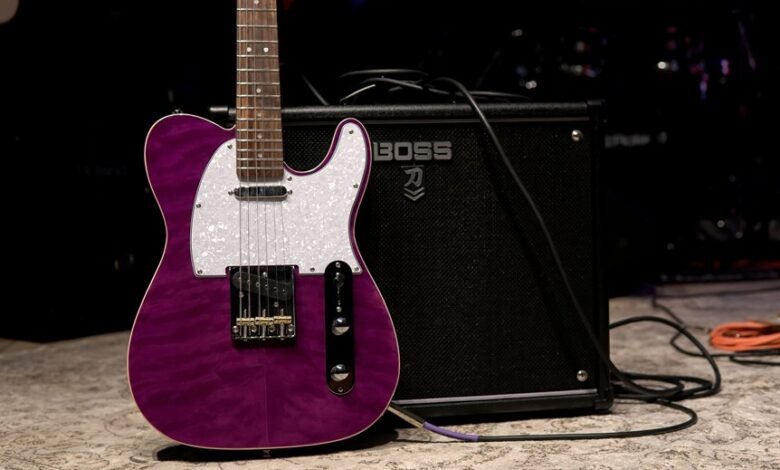
A comprehensive guide to the best clean amp unpacks headroom, voicing, and pedal compatibility into a practical framework. It emphasizes faithful signal reproduction, low noise, and dynamic response as markers of a superior clean tone. By assessing peak transient headroom, pedal-friendly inputs, and alignment with guitar and effects chains, the guide aims to identify versatile, reliable options for studio, live, and pedal-centric setups. The discussion invites careful consideration of trade-offs, with key insights awaiting practical application.
What Makes a Clean Amp Sound Great
A clean amplifier is evaluated by how faithfully it reproduces input signals without introducing distortion, compression, or noise that obscure the original tone. Sound quality hinges on headroom, dynamic response, and harmonic purity.
Clean headroom prevents clipping under peak transients, while pedal friendly inputs maintain sensitivity for effects.
Consistent voicing across pickups and speakers defines a versatile, reliable platform for transparent tones.
How to Pick the Right Clean Amp for Your Rig
Selecting the right clean amp for a rig requires aligning the amplifier’s headroom, voicing, and input sensitivity with the player’s guitar, pickups, and effects chain. This approach yields a clear framework: evaluate headroom, match voicing to style, and verify pedal interaction.
Idea one guides tonal decision; idea two prioritizes reliability, adaptability, and future-proofing across evolving rigs.
Top Clean Amp Contenders by Use Case
When evaluating clean amp options by use case, several contenders stand out for their distinct strengths across common playing scenarios: studio recording, live performance, pedal-friendly rigs, and high-gain reduction tasks.
Subtopic ideas emphasize versatility, reliability, and tone retention.
In practice, candidates include studio-friendly heads, compact combos, and pedal-optimized preamps, each offering clear, controllable headroom, minimal noise, and wide dynamic range for freedom-minded players.
Dialing in Glassy to Bluesy Tones: Practical Tips and Setups
Glassy to bluesy tones emerge from a disciplined combination of amp settings, guitar technique, and speaker interactions, and the practical path to them begins with a solid baseline: stable gain staging, consistent EQ, and mindful dynamics.
Dialing in reveals a glassy tone through bright, channeled highs and controlled mids; a bluesy texture develops with slightly pushed mids, sag, and expressive pick articulation.
Frequently Asked Questions
How Do I Maintain a Clean Tone at High Gain?
Maintaining headroom and hiss control requires careful gain staging, noise suppression, and speaker damping. The guitarist preserves clarity by balancing preamp levels, using compressors sparingly, and selecting amps with responsive power supplies for clean headroom at high gain.
Do Clean Amps Work Well With Pedals and Effects?
Yes, clean amps work well with pedals and effects, offering clean headroom and reliable pedal interaction, while preserving dynamics; they enable precise control, preserve signal integrity, and support creative freedom within a structured, well-researched tonal framework.
What Volume Levels Define a Truly Clean Amp?
A truly clean amp maintains zero-to-very-low distortion at typical playing levels, preserving note clarity. It requires substantial volume headroom, delivering high headroom so dynamics remain intact across pedals, genres, and expressive playing without unintended compression or grit.
Can a Solid-State Amp Imitate Tube Cleans Accurately?
Solid state vs tube amp authenticity remains debated; while solid-state can emulate cleans, true tube warmth and sag are not perfectly replicated. A skilled listener may discern nuances, yet modern SS designs achieve impressive, highly verified resemblance to tube autographs.
Are There Budget-Friendly Clean Amps Worth Buying?
Budget friendly options exist; several compact amps deliver solid guitar cleans without breaking the bank. The landscape shows dependable, pocket-friendly choices that balance hiss-free tone with portability, appealing to players seeking freedom while preserving musical clarity and character.
Conclusion
A clean amp is a faithful partner, not a flashy hinge. When a guitarist pairs high headroom with pedal-friendly inputs, the result is an expansive canvas where every note breathes. Think of a studio violinist who trusts a bow: even the faintest stroke reveals detail. In one survey, players cited headroom and low noise as top priorities, underscoring the core truth: reliability plus dynamic touch creates the most musical, enduring clean tones.