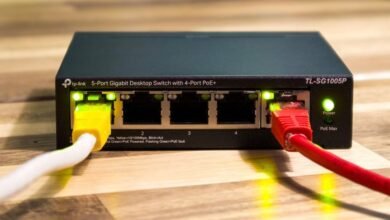
185.63.283.200 is a numeric label used to route traffic to a specific endpoint, not a message in itself. Its value lies in placement within routing tables and logs, where misconfigurations or lax protections can reveal patterns of access. Operators must weigh encryption, access control, and auditing to limit exposure. The implications for privacy and transparency are nuanced, leaving unanswered questions about who controls the label and how it’s interpreted as traffic flows persist. Further examination is warranted.
What 185.63.283.200 Represents in Plain Language
The 185.63.283.200 address serves as a numerical label used in network routing, identifying a specific endpoint within the broader Internet infrastructure. In plain language, it is a locator, not a message, separating location from meaning.
The analysis remains skeptical: unrelated topic connections and random speculation should be filtered, preventing speculative narratives from obscuring actual function and freedom through transparent labeling.
How This IP Might Be Used Today and What It Means for You
Given the IP 185.63.283.200’s role within routing tables and network schemas, the question is not what it represents in isolation but how it might surface in practical use today. Viewed analytically, operators could reuse it for testing, load distribution, or geolocation checks, affecting ip address context and user privacy without revealing systemic intent or guaranteeing anonymity.
Security and Privacy Implications You Should Watch For
As the discussion moves from how 185.63.283.200 may appear in routing and testing contexts, attention shifts to the security and privacy implications that can arise from its use in real-world networks.
The analysis remains skeptical, outlining privacy risks and potential data leakage, while assessing exposure vectors, logging practices, and misconfigurations that could undermine user autonomy and trust.
Practical Steps to Stay Safe, Informed, and Prepared
Are practical safeguards feasible when handling 185.63.283.200 in real networks, or do overlooked misconfigurations and ambiguous policies still expose users to risk?
The article analyzes concrete steps: verify access controls, monitor logs, and implement least privilege; enforce encryption in transit; maintain up-to-date threat intel; and audit configurations regularly.
Awareness reduces online threat and data exposure, yet vigilance remains essential.
Frequently Asked Questions
Is 185.63.283.200 a Real Usable IP Address?
185.63.283.200 appears invalid for real-world use due to numeric range constraints; questionable ownership and geolocation uncertainty persist, casting doubt on its routing stability and legitimacy for reliable connectivity.
Who Owns This IP and Who Controls It?
The ownership status of 185.63.283.200 is unclear; registries show ambiguous allocation. It is uncertain who truly owns or controls it. The analysis emphasizes attribution ambiguity, examining control mechanisms, transparency, and potential custodial arrangements affecting accountability for such addresses.
Can This IP Be Traced to a Location?
The answer is uncertain: IP geolocation can hint at a general locale but accuracy varies; the trace may reveal network ownership yet conceal precise origins, inviting skepticism about location claims and emphasizing disciplined analysis of routing and ownership records.
Has This IP Been Involved in Cyber Incidents?
The IP’s involvement in cyber incidents remains uncertain; discovery methods yield no definitive attribution, though indicators prompt ongoing risk assessment. The analysis emphasizes skeptically evaluating data provenance, while preserving analytical freedom and resisting unwarranted assumptions about origin or intent.
How Can I Verify if This IP Is Malicious?
The IP should be scrutinized through verification of IP reputation and incident history to determine potential risk. It is prudent to verify IP reputation, assess malware risk, assess location accuracy, ownership tracing, and incident history. two word discussion ideas: verify IP, reputation assessment
Conclusion
In summary, 185.63.283.200 functions as a routing locator rather than content; its value lies in how it is configured and observed. Analysts should remain skeptical of assumed benign activity, recognizing that misconfigurations or unauthorized access can expose sensitive logs. Continuous monitoring, encryption, and strict access controls are essential. As the saying goes, “trust, but verify”—and verify with rigorous, ongoing audits to stay informed and prepared.