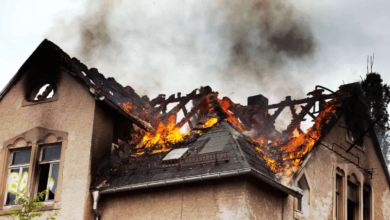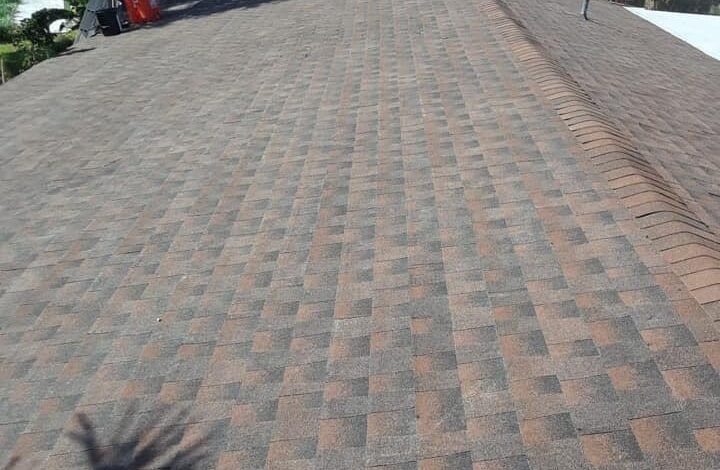
Many homeowners are surprised to learn that roofs in South Florida often wear out sooner than expected. Even well-installed systems can deteriorate faster here than in other parts of the country. The reason isn’t poor craftsmanship it’s the environment.
Constant sun exposure, high humidity, salt in the air, heavy rainfall, and seasonal storms all work together to accelerate roof aging. Understanding why this happens is the first step toward protecting your home and extending the life of your roof.
The Environmental Factors That Speed Up Roof Damage
South Florida’s climate is uniquely demanding on building materials. Several conditions combine to break down roofing systems faster than normal.
Intense UV Exposure
The sun’s ultraviolet rays dry out roofing materials, causing shingles and membranes to become brittle. Over time, this leads to cracking, curling, and surface erosion that weakens water resistance.
High Humidity and Moisture
Warm, moisture-rich air creates the perfect environment for trapped condensation. This moisture can seep beneath roofing layers, leading to rot, mold growth, and deterioration of structural components.
Heavy Rainfall and Storm Cycles
Repeated downpours test the roof’s drainage systems and seal points. Small weaknesses gradually enlarge, allowing water intrusion that often goes unnoticed until interior damage appears.
Salt Air and Wind
Coastal air contains salt particles that corrode metal flashing, fasteners, and connectors. Wind adds physical stress, loosening materials and lifting vulnerable edges.
Why Roof Problems Often Stay Hidden
Roof systems are designed to shed water outward. When failures begin beneath the surface, moisture may spread through insulation and decking before visible signs appear. By the time stains form on ceilings or walls, the damage has usually progressed.
This is why professional inspections are essential. Experienced specialists such as a trusted roofing company fort lauderdale can detect early deterioration, structural weakness, and moisture infiltration long before homeowners notice symptoms.
Common Signs of Accelerated Roof Failure
Some warning signals deserve immediate attention:
- Widespread granules collecting in gutters
- Discoloration or dark streaks on roofing surfaces
- Soft or uneven areas
- Persistent leaks or recurring water stains
- Peeling paint or unexplained interior humidity
- Cracked sealants around vents and roof penetrations
These symptoms often indicate deeper material fatigue rather than isolated defects.
What Homeowners Can Do to Slow the Damage
Although the climate can’t be controlled, roof failure can be delayed significantly with proper care.
Schedule Routine Inspections
Annual professional evaluations help catch early deterioration before it becomes structural.
Address Minor Issues Promptly
Loose flashing, small cracks, and early leaks are far less costly to correct than widespread moisture damage.
Keep Drainage Systems Clear
Blocked gutters trap water on the roof, increasing saturation and material breakdown.
Reinforce Vulnerable Areas
Edges, ridges, and penetration points are the first to fail. Preventive reinforcement improves long-term durability.
Work With Experienced Professionals
When problems arise, specialists who routinely perform roof repairs broward county understand how to strengthen roofing systems against regional environmental stresses.
The Long-Term Value of Preventive Roof Care
Roof damage rarely happens overnight. It builds gradually, hidden beneath layers of material. Proactive maintenance extends lifespan, improves storm resistance, protects interior structures, and reduces overall ownership costs.
Rather than waiting for visible failure, informed homeowners treat roof care as a long-term investment one that safeguards property value, comfort, and safety.
Final Thoughts
South Florida roofs don’t fail faster because they are poorly built they fail faster because they face harsher conditions every day. Constant sun, moisture, salt, and wind quietly weaken materials until problems surface.
The most effective defense is awareness, routine inspection, and early repair. With proactive care and professional guidance, homeowners can significantly slow deterioration and prevent costly, disruptive damage.
Frequently Asked Questions
1. Why do roofs in South Florida deteriorate more quickly?
Constant UV exposure, humidity, salt air, and heavy rainfall accelerate material breakdown and structural fatigue.
2. How often should a roof be inspected in this climate?
Most professionals recommend a full inspection at least once a year and after any major storm event.
3. Can small roof problems really lead to major damage?
Yes. Minor weaknesses allow moisture to spread beneath the surface, causing rot, mold, and structural issues over time.
4. What is the best way to extend roof lifespan?
Routine inspections, prompt minor repairs, proper drainage maintenance, and reinforcement of vulnerable areas.